• Ductwork problems often show up as weak airflow, uneven room temperatures, strange noises, and rising energy bills before they turn into bigger issues.
• A quick check of vents, visible duct sections, dust buildup, and utility bills can help you spot signs of duct damage early and know when to call a professional.
• Fixing duct issues quickly can improve comfort, reduce wasted energy, and help your HVAC system run more smoothly in your home.
Why Ductwork Problems Need Fast Attention
When air moves through damaged ducts, your home can start to feel uneven fast. Some rooms may stay warm while others feel stuffy, and your system may work harder than it should. If you have been searching for ductwork repair signs to watch for, small changes in comfort can be the first clue that something is wrong.
In Tustin, spring weather can shift from mild mornings to warmer afternoons, which puts extra pressure on ductwork that is already leaking or blocked. That can make airflow problems easier to notice, especially when your HVAC system is running more often. We often see that weak airflow, odd sounds, and rising utility costs show up before a bigger issue develops.
Catching these warning signs early can help protect your comfort and your system. Damaged ducts can let cooled or heated air escape before it reaches your rooms, which wastes energy and lowers performance. If you want your home to stay steady and efficient, it helps to know what to look for and act before the problem gets worse.
How Duct Issues Affect Comfort and Efficiency
Your ductwork carries conditioned air to each part of your home, so any damage can affect the whole system. Small gaps, loose joints, or crushed sections can reduce airflow and make your HVAC unit strain to keep up. That strain may lead to more wear over time and can leave you dealing with comfort problems that seem to come and go.
We always tell homeowners to pay attention when rooms stop feeling balanced or when vents sound different than usual. If one area gets very little air, the issue may not be the equipment itself but the ducts behind the walls or in the attic. Our ductwork services can help identify where air is escaping and what needs attention.
Dust buildup near vents, rattling sounds, and hot or cold spots are all worth noting. These signs can point to leaks, loose connections, or blockages that should not be ignored. The sooner those clues are checked, the easier it is to restore steady airflow and keep your system from working too hard.
Step-by-Step Guide to Spot Duct Repair Signs
🔍 Step 1: Check for Uneven Room Temperatures
Walk through your home and compare how each room feels. If certain spaces are much warmer or cooler than others, air may not be moving through the ducts the way it should.
🌬️ Step 2: Test Airflow at Each Vent
Hold your hand near several vents to see if the airflow is steady and strong. Weak or inconsistent airflow can point to leaks, blockages, or damage inside the duct system.
👂 Step 3: Listen for Odd Noises
Turn on your HVAC system and pay attention to rattling, whistling, or banging sounds. These noises can signal loose ducts, gaps in connections, or pieces that have shifted out of place.
🧹 Step 4: Look for Dust Around Vents
Check the area around supply and return vents for extra dust buildup. Excess dust can mean air is leaking into the wrong spaces and pulling debris from attics, crawl spaces, or walls.
📉 Step 5: Watch Your Energy Bills
Compare your recent utility bills to past months and look for changes that do not match your use. When ducts leak air, your system often runs longer, which can raise energy costs.
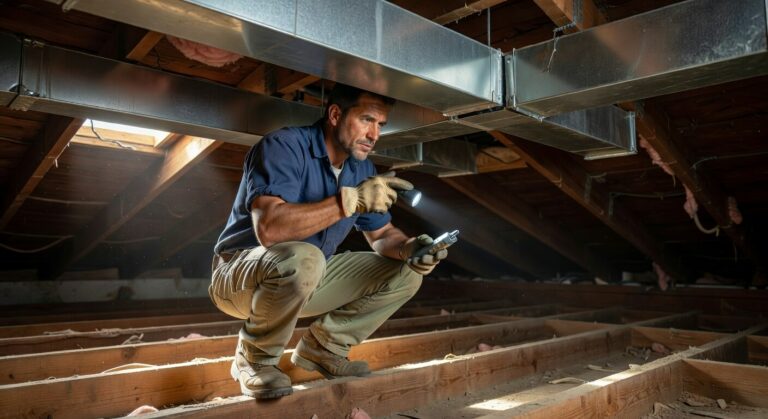
🛠️ Step 6: Inspect Visible Duct Sections
If you can safely see exposed ductwork, look for dents, loose tape, or separated joints. Visible damage often matches the same problems affecting airflow inside the home.
📞 Step 7: Schedule a Professional Check
If the signs keep showing up, bring in a trained technician to inspect the duct system. A proper diagnosis can confirm where the problem is and what repair is needed.
Mistakes Homeowners Make With Duct Repairs
It is easy to miss duct problems when the symptoms seem small at first. Many homeowners try to fix airflow issues by guessing instead of checking the full system. That can lead to wasted time, more wear on the HVAC unit, and bigger repair needs later.
- ⚠️ Mistake 1: Ignoring Weak Airflow
This happens when people assume a weak vent is normal or just a small comfort issue. It often starts because the change is gradual, so the home still feels usable. To prevent this, check airflow early and compare all rooms instead of focusing on only one vent. - ❌ Mistake 2: Sealing Gaps with the Wrong Materials
Some homeowners use basic tape or quick fixes that do not hold up in duct conditions. This usually happens because they want a fast answer and do not realize ducts need proper sealing materials. Prevent this by using methods made for HVAC work and making sure the repair matches the problem. - 🚫 Mistake 3: Skipping Visible Duct Checks
People often go straight to the thermostat or the air handler and never inspect the ducts they can see. That happens because the problem feels hidden, so it is easy to overlook the obvious spots. Prevent this by checking exposed ducts for loose joints, dents, and damage before moving to more complex causes. - ⚠️ Mistake 4: Forgetting About Dust and Debris
Extra dust around vents is sometimes ignored because it seems like a cleaning issue instead of a repair clue. In reality, it can point to leaking ducts pulling in dirty air from other spaces. Prevent this by looking for dust patterns near vents and treating them as part of the warning signs. - ❌ Mistake 5: Waiting Until the System Struggles
Many homeowners wait until comfort is badly affected before acting. This often happens because the system still runs, even if it is losing air along the way. Prevent this by responding to early ductwork repair signs to watch for before the damage spreads.
Frequently Asked Questions
What are the most common signs of ductwork damage?
Yes, the most common signs are uneven room temperatures, weak airflow, strange noises, and extra dust near vents. Ductwork repair signs to watch for also include rising energy bills and rooms that never seem to reach the right temperature.
Can leaking ducts raise my energy bill?
Yes, leaking ducts can raise your energy bill because conditioned air escapes before it reaches your rooms. That makes your HVAC system run longer, use more energy, and work harder to keep your home comfortable.
How do I know if my ducts need repair or replacement?
Yes, the condition of the ducts usually tells the story. Minor leaks, loose joints, or small damage may only need repair, while badly crushed, corroded, or aging ducts may need replacement.
Why does one room feel hotter or colder than the others?
Yes, uneven room temperatures often point to duct problems. Air may be leaking, blocked, or getting stuck before it reaches that room, which throws off the balance in your home.
Should I call a professional if I notice ductwork repair signs to watch for?
Yes, calling a professional is the best next step if the signs keep showing up. A trained technician can find hidden leaks, check airflow, and recommend the right repair before the problem gets worse.
Final Thoughts on Duct Repair Signs
Knowing what to look for can save time, money, and a lot of frustration. When airflow drops, noises change, or energy use climbs, those are clear signs that your duct system may need attention. We help homeowners in Tustin stay ahead of these issues so their homes stay comfortable through the spring season and beyond.
The best results usually come from catching small problems before they turn into bigger ones. If you notice the warning signs again, do not wait for the system to struggle more. For more updates and helpful home comfort tips, follow us on social media.