• Single stage furnaces run at one output level, while two stage furnaces can operate at a lower setting or a higher setting depending on your home’s needs.
• The right choice depends on comfort, home size, ductwork, and how often temperatures change during the day in Orange.
• A careful comparison now can help you avoid rushed decisions, reduce uneven heating, and choose the best system before winter arrives.
How to Compare Furnace Options Before the Weather Turns
When cooler weather arrives, the last thing we want is a furnace that struggles to keep up. A heating system that turns on and off too often can leave some rooms cold and others too warm. That is why it helps to look closely at single stage vs two stage furnace choices before the season changes. If you wait until temperatures drop, you may have less time to make the right call.
The difference between these two furnace types can affect comfort, energy use, and how often the system runs. A single stage unit usually works at one level, while a two stage model can operate at a lower setting most of the time and switch higher when needed. For homes in Orange, that can matter during fall nights when mornings feel cooler and afternoons still stay mild. You can learn more about heating options through our heating services page.
Choosing the right furnace is not just about heating power. It is also about matching the system to the way your home actually uses heat each day. We want homeowners to understand the basics now so they can avoid rushed decisions later. A little planning can make a big difference in comfort once steady fall weather settles in.
What Makes These Furnace Types Different
A single stage furnace runs at full output whenever it turns on, which can be simple and dependable. A two stage furnace has a low setting and a high setting, so it can run longer at a gentler pace before stepping up if needed. That difference often changes how evenly heat is spread through the home. It can also affect noise levels, since longer low-speed cycles may feel quieter.
When people compare single stage vs two stage furnace systems, they often focus on cost first. That matters, but comfort and runtime are just as important because they affect daily use over many seasons. Homes with larger square footage, more temperature swings, or stubborn cold spots may notice the difference more clearly. Understanding how your home heats helps us narrow down the best fit instead of guessing.
Step-by-Step Guide to Choosing the Right Furnace
🔍 Step 1: Check How Your Home Heats Now
Look at whether your current system leaves some rooms too hot, too cold, or uneven during the day. This gives us a clear picture of whether a single stage or two stage setup may fit your home better.
📋 Step 2: Review Your Comfort Needs
Think about whether you want simple heating or steadier indoor temperatures. A two stage furnace often helps reduce big swings because it can run at a lower level for longer periods.
🏠 Step 3: Consider Your Home Size and Layout
Bigger homes, multi-level homes, and homes with open spaces may need more even heat delivery. That is important because furnace type can affect how well warm air reaches each area.
🌡️ Step 4: Factor in Fall Weather Patterns
In Orange, fall can bring cooler nights and warmer afternoons, so heating demand may change from day to day. A furnace that adjusts better to changing needs can help keep indoor conditions more balanced.
🔧 Step 5: Compare Operation Styles
A single stage furnace gives you one level of heat, while a two stage furnace gives you two options. That matters because the system can either run at full power or stay in a lower mode when less heat is needed.
💸 Step 6: Think About Long-Term Use
Do not focus only on the first price tag. The way a furnace runs over time can affect comfort, wear, and how often it cycles on and off.
📐 Step 7: Match the Furnace to the Ductwork
A furnace works best when the ductwork can move air the way it should. If the airflow is weak or uneven, even the right furnace may not perform as expected.
🛠️ Step 8: Have the System Evaluated Before You Decide
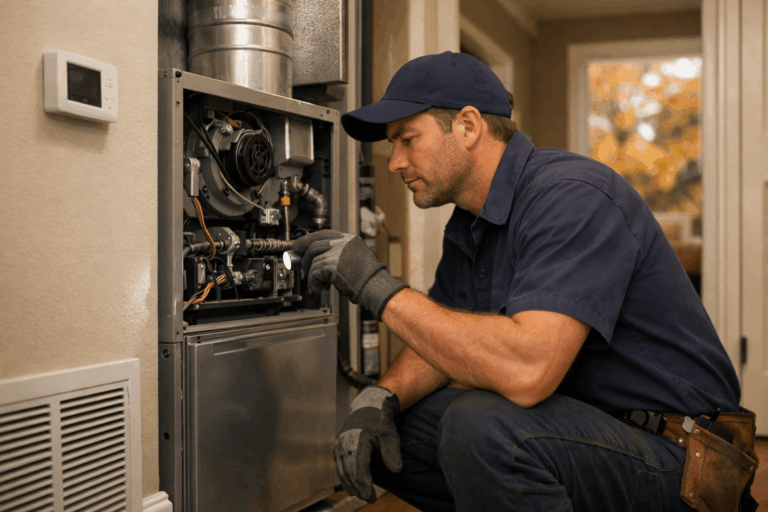
A trained HVAC technician can help check your home, comfort goals, and heating setup. That makes it easier to choose between furnace types with confidence instead of relying on guesswork.
Common Mistakes to Avoid
Many homeowners make quick choices when the weather starts to cool down. That can lead to a system that does not match the home’s real heating needs. The mistakes below are common, but they are also easy to avoid when you know what to look for.
- ⚠️ Mistake 1: Choosing Based on Price Alone
This happens when someone focuses only on the lowest upfront cost and ignores how the furnace will perform day after day. It usually happens because the long-term impact is harder to see at first. To prevent this, compare comfort, runtime, and home size before making a choice. - ⚠️ Mistake 2: Ignoring Uneven Room Temperatures
Some people skip this step because they assume every home heats the same way. If there are cold spots or hot spots now, the new system should account for that. The best way to avoid this mistake is to notice how each room feels during normal use. - ⚠️ Mistake 3: Overlooking Seasonal Changes
This mistake happens when buyers forget that fall weather in Orange can shift from cool mornings to warmer afternoons. A furnace that cannot adapt well may cycle more than needed. Planning around seasonal changes helps us pick the better match. - ⚠️ Mistake 4: Forgetting About Ductwork Condition
Even a good furnace can struggle if the ductwork is leaking or poorly set up. People often miss this because they focus only on the unit itself. To prevent this, make sure airflow and duct condition are checked before deciding. - ⚠️ Mistake 5: Not Getting a Proper Home Evaluation
This happens when someone tries to guess which furnace type is best without checking the home’s actual needs. It often leads to a system that feels too strong or not strong enough. A proper evaluation helps avoid that guesswork and supports a better result.
Frequently Asked Questions
What is the main difference between a single stage and two stage furnace?
Yes, the main difference is how the furnace runs. A single stage furnace works at one full output level, while a two stage furnace can run at a lower setting or a higher setting depending on demand. That gives the two stage model more flexibility with comfort.
Is a two stage furnace better than a single stage furnace?
Yes, a two stage furnace can be better for homes that want steadier temperatures and quieter operation. The single stage vs two stage furnace choice depends on home size, comfort goals, and budget. The right option is the one that fits the way the home actually heats.
Which furnace type is better for fall weather in Orange?
Yes, a two stage furnace can be a smart choice for fall weather because temperatures often change during the day. It can run at a lower level when less heat is needed and step up when the home needs more warmth. That helps keep indoor comfort more even.
Does a single stage furnace use more energy?
Yes, it can use more energy in some homes because it runs at full power every time it turns on. That does not mean it is always the wrong choice, but it may cycle in a way that feels less smooth. The best choice depends on how often your home needs heat and how it is used.
How do I know which furnace type is right for my home?
Yes, the best way is to look at your home’s size, comfort needs, and current heating issues. If your home has uneven temperatures or shifting heat demand, a two stage furnace may be a stronger fit. If you want a simpler setup, a single stage furnace may be enough.
Final Thoughts on Furnace Choice
The right furnace can make a big difference in how comfortable your home feels once cooler weather settles in. When comparing single stage vs two stage furnace options, it helps to focus on how your home heats, not just the equipment itself. That approach gives us a clearer path to better comfort and a smarter decision.
If you are planning ahead for the season, now is the time to review your heating needs before the cold weather becomes a daily concern. A careful choice can help you avoid uneven heat and last-minute stress later on. For more updates and helpful home comfort tips, follow us on social media.