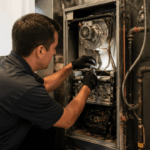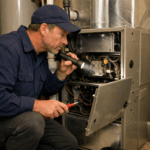
• A furnace blower motor that stops working can leave your home with weak or no heat, especially when fall temperatures make comfort matter more.
• Simple checks like the thermostat, air filter, and visible wiring can help narrow down the cause before the problem gets worse.
• If the motor still will not run after basic troubleshooting, it is safest to call a trained technician for repair.
Why a furnace blower motor matters in fall
When furnace blower motor not working happens, the whole heating system can fall out of sync fast. In Huntington Beach, cooler fall nights can make that problem feel urgent right away. If the blower stops, warm air may never reach the rooms that need it most. That is why we always treat this issue as a real comfort problem, not a small inconvenience.
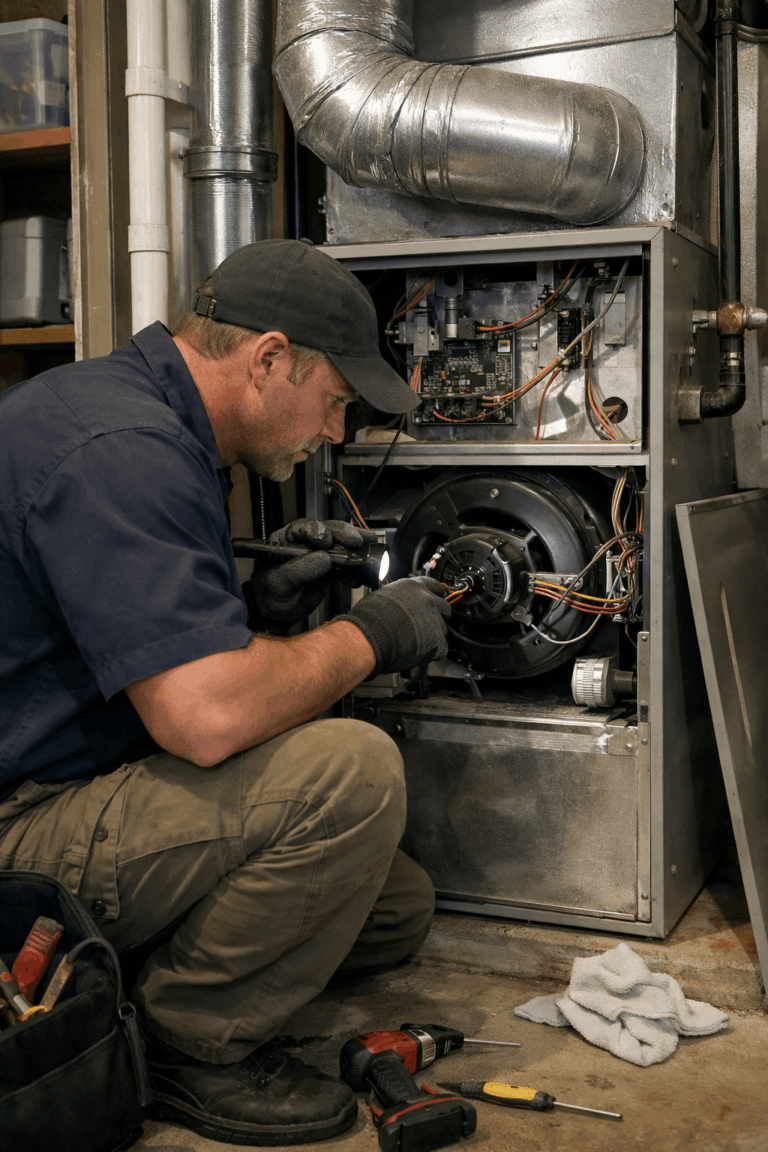
A blower motor helps move heated air through the ducts and into your home. When it fails, you may hear the furnace run, but feel little or no airflow at the vents. That can leave the house unevenly heated and push the system to work harder than it should. We recommend paying attention early so a small issue does not turn into a bigger repair.
Some homeowners notice weak airflow, odd noises, or a furnace that shuts down before the home warms up. Others may smell something unusual or see the system cycling on and off too often. These warning signs often point to a motor, capacitor, belt, or control issue that needs quick attention. For heating help in the area, we often direct homeowners to our heating services when the problem affects comfort and safety.
How the blower motor problem usually starts
A blower motor can stop working for several reasons, and many of them build up over time. Dust buildup, worn parts, bad electrical connections, or a failing capacitor can all interrupt normal operation. In some cases, the motor may still try to start but cannot keep running long enough to push air through the system. That is why checking the full airflow path matters, not just the furnace itself.
We also see problems caused by restricted filters, dirty components, or a thermostat sending mixed signals. When airflow is blocked, the furnace can overheat and shut down as a safety step. If the blower motor keeps struggling, the damage can spread to other parts of the system. Homeowners who want to understand the full airflow setup can also review our ductwork services for more context on how air moves through the home.
Step-by-Step Guide
🔌 Step 1: Turn Off Power to the Furnace
Before checking anything, shut off the power at the furnace switch and breaker. This protects you from electrical shock and keeps the system from starting while you inspect it.
🧰 Step 2: Check the Thermostat Settings
Make sure the thermostat is set to heat and the temperature is above the current room temperature. If the settings are wrong, the furnace may seem broken when it is really not being asked to run.
🧼 Step 3: Inspect the Air Filter
A clogged filter can restrict airflow and cause the system to overheat. Replace a dirty filter right away because a blocked filter can make the blower work harder than normal.
👂 Step 4: Listen for Motor Noise
Turn the system back on briefly and listen for humming, clicking, or a motor that tries to start but fails. These sounds often point to a weak motor, capacitor trouble, or another electrical issue.
👀 Step 5: Look for Visible Damage
Check for burned wires, loose connections, or a damaged blower wheel if you can access the panel safely. Visible wear often explains why the motor is not moving air as it should.
⚙️ Step 6: Test the Fan and Airflow
Set the thermostat fan to on and see whether air comes through the vents. If the fan does not run, the issue may involve the motor, relay, or control board.
🔧 Step 7: Check the Capacitor and Belt
Some systems use a capacitor to help start the motor, and older units may use a belt. If either part is worn or damaged, the blower motor may not start or may stop soon after starting.
📞 Step 8: Arrange a Professional Repair
If the blower motor still does not work after basic checks, the problem likely needs trained repair. A licensed technician can test the electrical parts, replace failed components, and confirm the system is safe to use.
Common Mistakes to Avoid
A DIY repair can seem simple at first, but blower issues often involve more than one cause. Many homeowners stop after the first check and miss the real problem. The mistakes below are the ones we see most often when someone tries to fix the issue alone.
- ⚠️ Mistake 1: Skipping the Power Shutoff
This happens when someone wants to move fast and forgets that the furnace still has live electrical parts. It can lead to shock or damage to the system. Always cut power first before opening any panel. - ⚠️ Mistake 2: Ignoring a Dirty Filter
A blocked filter can make the blower motor seem like the main problem when airflow is really being restricted. This mistake happens because the filter is easy to overlook. Check and replace it before moving on to more complex parts. - ⚠️ Mistake 3: Overlooking Strange Sounds
People often ignore humming or clicking because the furnace still seems to be on. Those sounds can be an early sign of motor strain or a failing capacitor. Addressing them early can prevent a larger breakdown. - ⚠️ Mistake 4: Testing Parts Without Knowing the System
Some homeowners try to test wiring or motor parts without understanding how the system works. This can happen when someone follows random advice instead of a real process. If you are unsure, stop and let a trained technician handle the checks. - ⚠️ Mistake 5: Waiting Too Long to Get Help
A blower issue can get worse if the furnace keeps trying to run. People delay because the heat may still work a little, but the problem usually does not fix itself. Fast repair helps protect the motor and the rest of the system.
Frequently Asked Questions
Why is my furnace blower motor not working?
Yes, a furnace blower motor not working is often caused by a failed capacitor, wiring issue, clogged filter, or worn motor. In some cases, the thermostat or control board is also part of the problem. A full check is the best way to find the exact cause.
Can I run my furnace if the blower motor is not working?
No, it is not a good idea to keep running the furnace if the blower motor is not working. The system may overheat, shut down, or suffer more damage if air is not moving properly. It is safer to turn it off and have it checked.
What are the first signs of blower motor trouble?
Yes, the first signs are usually weak airflow, strange noises, or a furnace that starts but does not push warm air through the vents. You may also notice the system turning on and off too often. These early signs should be checked quickly.
How do I know if the capacitor is the problem?
Yes, a bad capacitor can keep the blower motor from starting or make it struggle to run. The furnace may hum, stall, or fail to move air even when the rest of the system appears on. A proper test is the only reliable way to confirm it.
Should I call a technician for furnace blower motor not working issues?
Yes, you should call a technician if basic checks do not fix the issue. Electrical parts, motor failure, and control problems are common in this repair and need proper testing. A trained repair can help prevent further damage and restore airflow safely.
Closing Thoughts on Furnace Airflow Problems
A furnace blower motor issue can interrupt comfort fast, especially when cooler fall weather arrives in Huntington Beach. The best approach is to check the simple causes first, then move to the parts that need trained repair. That keeps the problem from growing and helps protect the rest of the heating system.
We believe fast action is the smartest step when airflow stops or weakens. If you want to stay connected with our team and see updates from Veteran Plumbing & Air, follow us on social media.