• Learn how heat pumps move heat instead of creating it, and why that makes them a smart choice for homes in Laguna Beach.
• Follow a simple step-by-step guide to check your thermostat, filter, outdoor unit, and system response before small issues grow.
• Spot common DIY mistakes, understand when to call for help, and get quick answers to the most common heat pump questions.
How Heat Pumps Work in Laguna Beach Homes
When the weather in Laguna Beach changes, your comfort can shift fast. A heat pump helps manage indoor temperatures in both warm and mild seasons, which makes it a smart choice for many homes in the area. If your system is not running well, you may feel it right away, and that can lead to higher energy use and less comfort. That is why learning how heat pumps work matters before small issues turn into bigger ones.
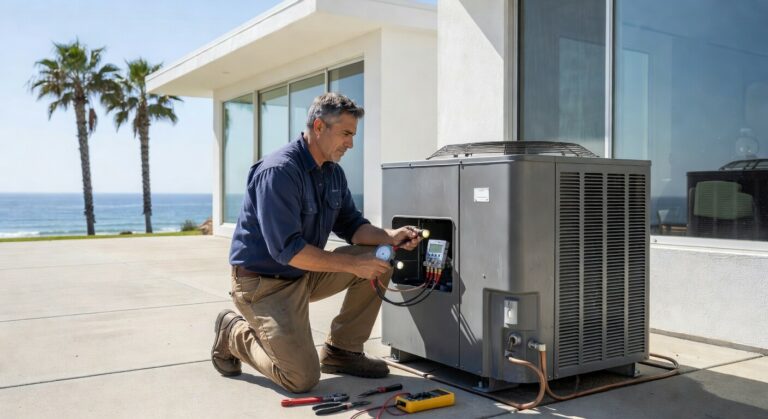
A heat pump moves heat instead of making it from scratch, which is a simple idea with a big payoff. In cooling mode, it pulls heat out of your home and sends it outside. In heating mode, it does the opposite and brings warmth indoors. For homeowners who want steady comfort, our heating services can help keep that system ready when the temperature changes.
In a coastal place like Laguna Beach, salt air and daily use can put extra stress on HVAC equipment. That means filters, coils, and outdoor parts need regular attention to stay efficient. A small problem can grow into a system that struggles to keep up, especially during seasonal shifts. When you understand the basics, it becomes easier to spot warning signs early and act before a repair becomes urgent.
Core Heat Pump Basics for Homeowners
A heat pump works by moving refrigerant through indoor and outdoor coils to transfer heat. The system uses a reversing valve to switch between heating and cooling, which is what makes it so useful across seasons. Fans help move air across the coils so the process can happen smoothly. This is one reason how heat pumps work is such a useful topic for homeowners who want practical comfort.
The best results usually come from a system that is matched well to the home and kept in good shape. Dirty filters, blocked outdoor units, and weak airflow can all make the system work harder than it should. Regular care also helps the equipment run more evenly, which can support comfort through spring weather in Laguna Beach. If your home needs help with airflow or temperature control, our cooling services can support that need.
Step-by-Step Guide to Heat Pump Basics
🔍 Step 1: Check the Thermostat Setting
Start by making sure the thermostat is set to the correct mode for the season. A heat pump will not perform as expected if it is set to heat when you need cooling, or vice versa. This simple check can save time and help you rule out an easy fix.
🧹 Step 2: Inspect and Replace the Filter
A dirty filter can slow airflow and make the system work harder. Check it regularly and replace it when it looks clogged or has reached the end of its use life. Clean airflow helps the heat pump move air the way it should.
🌬️ Step 3: Look at the Outdoor Unit
Make sure the outdoor unit is clear of dirt, leaves, and other debris. Heat pumps need open space around the unit so air can move freely. Blocked airflow can reduce performance and strain the system.
🔄 Step 4: Listen for Mode Changes
Heat pumps should switch between heating and cooling when the thermostat calls for it. If the system seems stuck or takes too long to respond, that can point to a problem with the reversing valve or controls. Noticing these changes early helps you avoid bigger issues later.
📉 Step 5: Watch for Uneven Temperatures
Pay attention to rooms that feel too warm or too cool compared to the rest of the house. Uneven temperatures can point to airflow problems, duct issues, or a system that is not sized right. A consistent indoor temperature is one of the best signs that the heat pump is doing its job.
⚙️ Step 6: Check for Short Cycling
Short cycling means the system turns on and off more often than it should. This can happen when the unit is dirty, the thermostat is off, or the system is under stress. Fixing the cause early can help protect the equipment and improve comfort.
📞 Step 7: Schedule a Professional Check
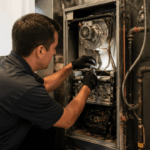
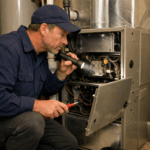
A trained technician can test refrigerant levels, electrical parts, airflow, and overall system performance. Some problems are not easy to see from the outside, and professional testing can catch them before they lead to a breakdown. This is especially useful if the system is older or has been acting differently.
Common Heat Pump DIY Mistakes
Some homeowners try to fix heat pump issues on their own and end up making the problem worse. Many of these mistakes come from skipping simple checks or assuming the system needs a major repair right away. Knowing what to avoid can save time, money, and stress.
- ⚠️ Mistake 1: Ignoring the Thermostat
This happens when people jump straight to the unit without checking settings first. It often happens because the thermostat seems too simple to be the problem, but that is not always true. Prevent this by confirming the mode, temperature, and fan setting before doing anything else. - ⚠️ Mistake 2: Using the Wrong Filter Size
A filter that does not fit properly can let dust pass through or block airflow too much. People make this mistake when they buy a quick replacement without checking the size or type. Always match the filter to the system requirements and install it correctly. - ⚠️ Mistake 3: Forgetting the Outdoor Unit
Leaves, dirt, and debris can build up around the outside equipment and limit airflow. This usually happens because the unit is outside and easy to overlook. Keep the area clear so the system can breathe and run properly. - ⚠️ Mistake 4: Assuming Every Problem Is the Same
Not every heating or cooling issue points to the same cause. People often assume one symptom means a major failure, when it may be a simple airflow or control issue. The best way to prevent this is to check each possible cause one at a time. - ⚠️ Mistake 5: Delaying Professional Help
Some problems need testing that a homeowner cannot safely do on their own. This mistake happens when people hope the issue will go away or keep trying the same small fixes. Call a professional when the system keeps short cycling, fails to switch modes, or still does not work after basic checks.
Frequently Asked Questions
How heat pumps work in simple terms?
Yes, a heat pump works by moving heat from one place to another instead of creating heat from scratch. In cooling mode, it removes heat from inside the home, and in heating mode, it pulls warmth from outside air and brings it indoors. This makes it a flexible system for mild climates like Laguna Beach.
Do heat pumps work well in spring weather?
Yes, heat pumps work very well in spring weather because the temperatures are usually moderate. They can keep a home comfortable without switching between very heavy heating or cooling demands. That steady operation is one reason many homeowners like them in coastal areas.
Why is my heat pump not changing from heat to cool?
Yes, this can happen if the thermostat settings are wrong, the reversing valve has a problem, or the system has an electrical issue. A heat pump relies on a clear signal to change modes, so a fault in that process can stop it from responding. If basic checks do not solve it, a technician should inspect the unit.
How often should a heat pump be serviced?
Yes, a heat pump should be serviced at least once a year, and some homes benefit from twice-yearly checks. Regular service helps catch airflow issues, dirty parts, and small problems before they grow. It also supports better comfort and smoother operation over time.
What are signs that my heat pump needs repair?
Yes, warning signs include uneven temperatures, strange noises, short cycling, weak airflow, and higher energy use. These problems often point to dirty parts, control issues, or worn components. If you notice any of them, it is smart to get the system checked soon.
Wrapping Up Your Heat Pump Knowledge
Now that you know how a heat pump works, it is easier to see why regular care matters. Small issues can affect comfort quickly, especially when the weather shifts in Laguna Beach. Staying alert to changes in airflow, temperature, and system behavior can help you avoid bigger problems later.
A well-running heat pump can support comfort through both mild heating and warm-weather cooling. If your system needs attention, timely service can help keep it dependable when you need it most. For more helpful updates, follow us on social media.