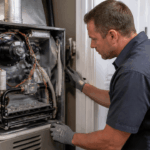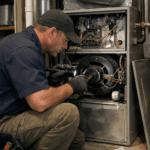
• A full HVAC replacement usually includes more than just a new unit. It can involve indoor and outdoor equipment, thermostat updates, refrigerant lines, electrical connections, and a full check of airflow and ductwork.
• Homeowners in Garden Grove should pay attention to warning signs like frequent repairs, uneven temperatures, and rising energy bills. These signs often mean the system is wearing down and may be ready for replacement before a full breakdown happens.
• Choosing replacement at the right time can reduce stress and help improve comfort, efficiency, and indoor air performance. Understanding what the process includes makes it easier to make a confident decision for your home.
What a Full HVAC Replacement Usually Means
When an HVAC system starts to fail, the signs often show up at the worst time. In Garden Grove, that can mean warm fall afternoons that still push an old system too hard. If your unit is struggling, understanding what does a full HVAC system replacement include can help you act before comfort drops even more.
A full replacement is not just swapping out one part and hoping for the best. It often affects comfort, energy use, and the way air moves through the home. We help homeowners make smarter choices by looking at the full picture, not just the broken piece, and we often point them to our heating services when the system needs a full reset.
Many people wait until a system stops working completely before they take it seriously. That can lead to longer repair times, more stress, and higher costs when the weather is still warm enough to keep the system running daily. The best time to learn what replacement involves is before the next breakdown forces a rushed decision.
What Our Team Looks At During Replacement
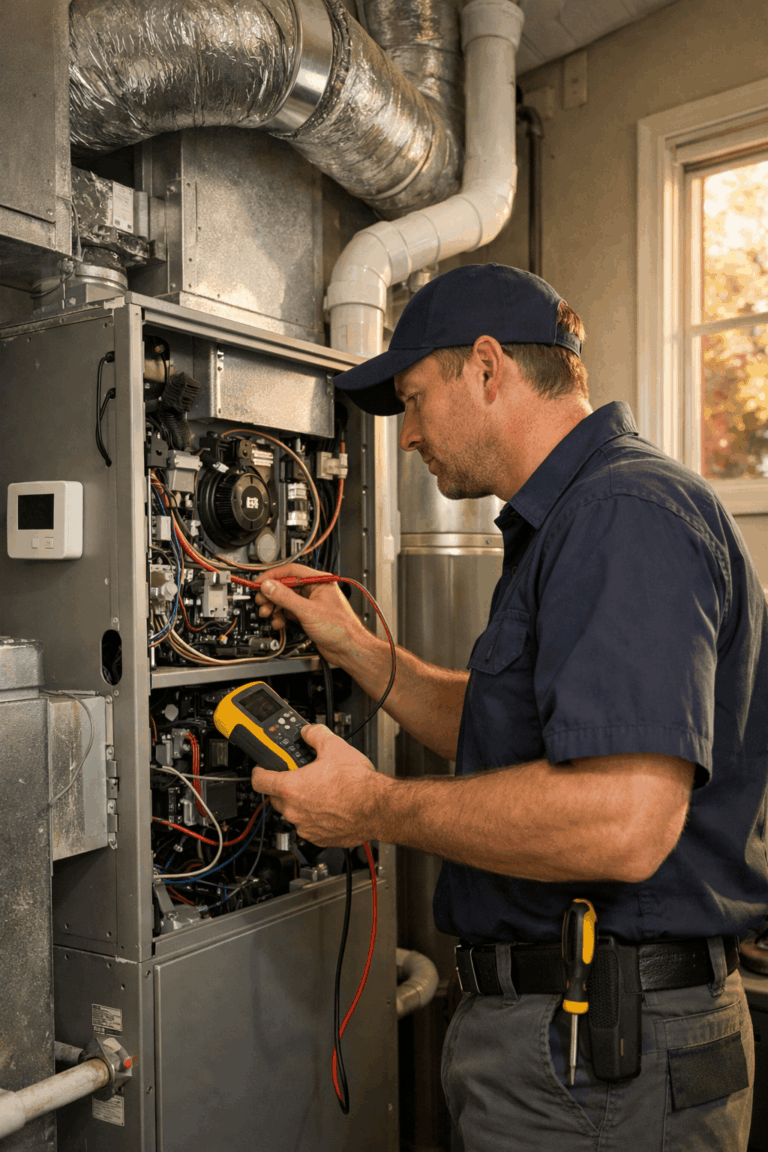
A full HVAC replacement usually starts with removing the old indoor and outdoor equipment. From there, we check the setup that supports the new system, including the thermostat, drain lines, refrigerant lines, and electrical connections. We also look at airflow needs so the new equipment matches the home more closely.
The goal is to make sure each part works together the right way. If the ductwork is leaking or undersized, a new unit may still struggle to perform well, which is why many projects also involve a review of the air path through the home. In some cases, we may also discuss ductwork services if airflow problems are part of the issue.
Tips From The Pros
🔍 Tip 1: Watch for repeated repairs
If your system keeps needing service, replacement may be the smarter move. Frequent breakdowns often mean the equipment is wearing out faster than expected, especially if it is already older.
📉 Tip 2: Pay attention to rising energy bills
A steady climb in utility costs can point to a system that is losing efficiency. When parts wear down, the unit often works longer to do the same job.
🌡️ Tip 3: Check for uneven temperatures
Hot and cold spots in the home can signal that your current system is no longer keeping up. This is often a sign that the equipment or airflow setup is not working as it should.
🧰 Tip 4: Ask what parts are being replaced
A proper HVAC replacement can include more than the main unit. Ask about indoor and outdoor components, thermostat updates, and any parts that help the system run safely and smoothly.
📋 Tip 5: Look at the condition of the ductwork
Leaky or damaged ducts can waste cooled or heated air before it reaches the rooms you use most. When that happens, even a new system may not deliver the comfort you expect.
⚙️ Tip 6: Make sure the system is sized right
A unit that is too large or too small can create comfort problems and waste energy. Proper sizing matters because the new system should fit the home’s needs, not just the old unit’s footprint.
🕒 Tip 7: Plan before the system fails completely
Waiting until the unit shuts down can make replacement more stressful. Planning ahead gives you more time to understand the work involved and choose the right setup for your home.
🌬️ Tip 8: Keep indoor air quality in mind
Replacement is a good time to think about airflow and indoor comfort together. A system that moves air well can help support a cleaner and more balanced indoor environment.
Frequently Asked Questions
What does a full HVAC system replacement include?
A full HVAC system replacement usually includes removing the old equipment and installing new indoor and outdoor components. It may also include thermostat updates, refrigerant line work, electrical connections, and a check of the ductwork.
How do I know if I need replacement instead of repair?
You may need replacement if the system breaks down often, struggles to keep temperatures even, or has become costly to run. If repairs are getting more frequent, replacement is often the better long-term choice.
Does a new HVAC system include ductwork?
Not always, but ductwork is often checked during replacement. If the ducts are leaking, damaged, or the wrong size, they may need repair or replacement for the new system to work properly.
How long does a full HVAC replacement take?
Most full HVAC replacement jobs can be completed in one to two days, depending on the home and the work involved. Bigger projects may take longer if ductwork, electrical, or setup changes are needed.
Why is HVAC replacement important before the system fails?
It is important because a failing system can leave your home uncomfortable and create rushed decisions during a breakdown. Planning ahead gives you time to choose the right equipment and avoid added stress.
Final Thoughts on Replacing Your HVAC System
Knowing what to expect from a full replacement makes the process feel much more manageable. It also helps you focus on the parts that matter most, like comfort, airflow, and system performance. In Garden Grove, that matters even in fall, when a tired system can still get pushed hard by warmer days.
If you are unsure whether repair or replacement is the right move, we are here to help you look at the full picture. We take the time to explain the work clearly so you can make a confident choice for your home, and you can follow us on social media for more useful updates.