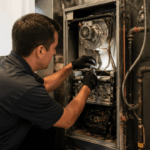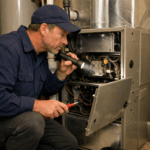
• Learn how a furnace starts, heats air, and moves warmth through your home. This blog breaks down the full process in simple terms so you can understand what each part does and why it matters. Knowing the basics can help you spot problems early before your heat stops working.
• See the warning signs that can affect furnace performance. From dirty filters to weak airflow and repeated shutoffs, small issues can change how well your system runs. The article explains what to look for so you can catch trouble before it gets worse.
• Get practical steps, common mistakes, and answers to key questions. This guide shows you how to check the system in the right order and avoid errors that many homeowners make. It also includes FAQs that help you understand furnace operation with confidence.
Introduction: What a Furnace Does in Cold Weather
When the weather starts to cool down in Costa Mesa, a furnace can quickly become one of the most important systems in the home. If it stops working the way it should, your house can feel uncomfortable fast, and small issues can turn into bigger ones. That is why it helps to understand how does a furnace work before a problem shows up. At Veteran Plumbing & Air, we know that a little knowledge can make a big difference when the heat is on the line.
A furnace works by heating air and sending it through the home when the thermostat calls for warmth. The process may seem simple from the outside, but several parts have to work together for it to run safely and steadily. If one part is off, the system may struggle to keep up or may shut down early. Knowing the basics can help you spot trouble before a cold night catches you off guard.
In fall, many homes start using heat again after months of little or no use. That first stretch of cooler evenings is often when hidden furnace issues show up, especially if the system has not been checked in a while. If your heat seems uneven, slow, or noisy, it is worth paying attention right away. For more on home comfort systems, our heating services can help you stay prepared before temperatures drop further.
How a Furnace Heats Your Home
A furnace starts working when the thermostat senses that the indoor temperature has fallen below the set level. It sends a signal that tells the furnace to begin its heating cycle, which includes ignition, warming the air, and moving it through the ductwork. The burner or heat source warms a metal chamber, and a blower then pushes the heated air into the rooms. If any of those steps slow down or stop, the home may not warm up the way it should.
Airflow matters just as much as heat production because the furnace needs a clear path to move warm air through the system. Dirty filters, blocked vents, or worn parts can reduce flow and make the system work harder than it should. That can lead to uneven temperatures, longer run times, and higher wear on the equipment over time. Understanding how does a furnace work helps homeowners notice these warning signs earlier and act before a full breakdown happens.
Step-by-Step Guide to Understanding Furnace Operation
🔍 Step 1: Check the Thermostat Setting
Start by making sure the thermostat is set to heat and the temperature is set above the current room temperature. This simple check confirms that the furnace is actually being told to turn on. If the thermostat is not calling for heat, the rest of the system will not start.
⚡ Step 2: Listen for the Start-Up Sequence
When the thermostat sends the signal, the furnace should begin a clear start-up process. You may hear a click, a fan, or the sound of ignition depending on the system type. These sounds tell you the unit is moving through its normal heating cycle.
🌀 Step 3: Watch for Warm Airflow
After the furnace heats the air, the blower should send warm air through the vents. Check several rooms to see if the air feels even and steady. If some rooms stay cool, the problem may involve airflow or duct balance.
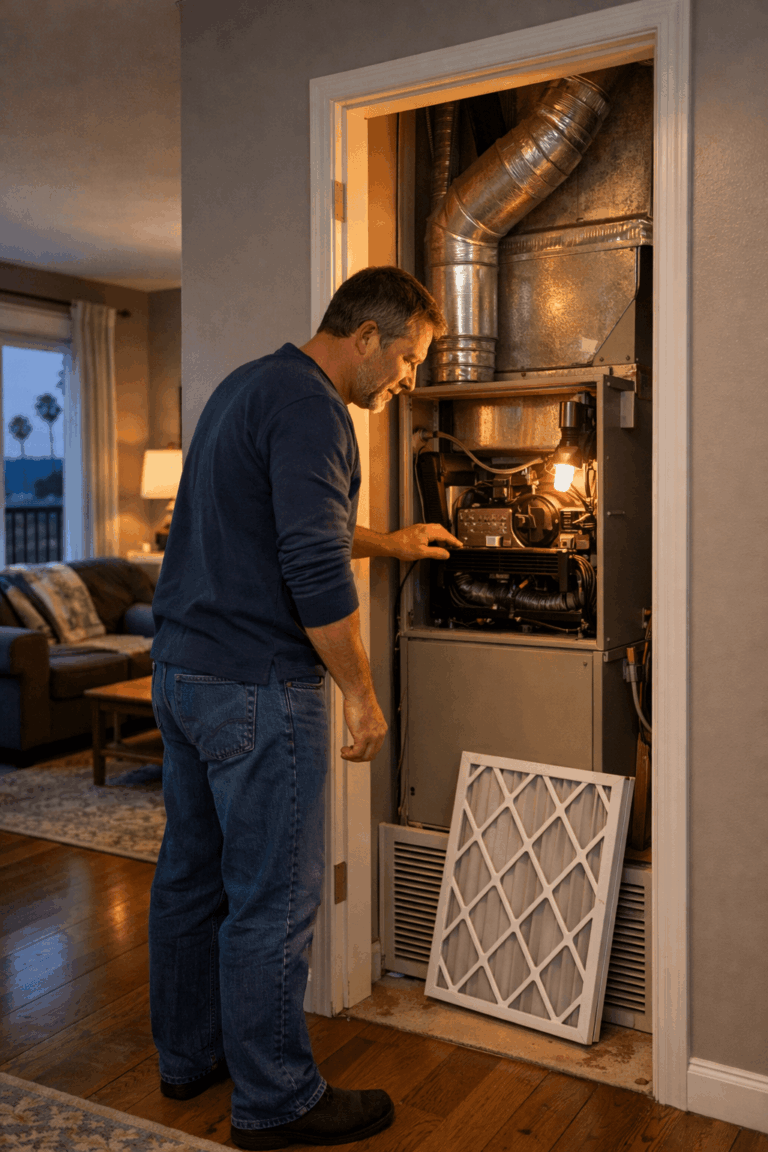
🧼 Step 4: Inspect the Air Filter
A clogged filter can slow airflow and make the furnace strain. A clean filter helps the system breathe better and keeps dust from building up inside the unit. Replacing it on time is one of the easiest ways to support safe operation.
🔥 Step 5: Make Sure the Burners Ignite Properly
Inside many furnaces, the burners must light correctly to create heat. If ignition does not happen the right way, the system may shut down or blow cool air. Proper ignition is a key part of how does a furnace work, and it must happen in the right order.
🌬️ Step 6: Check the Blower Function
The blower is what moves heated air through the home after the air is warmed. If it runs too weakly or too loudly, the furnace may not be circulating air as it should. Good blower performance helps the whole system deliver heat more evenly.
🧯 Step 7: Look for Safety Shutoffs
Modern furnaces have built-in safety features that stop the system if something is not right. These shutoffs help protect the home from unsafe operation and damage to the unit. If the furnace keeps turning off, it may be signaling a deeper issue.
📋 Step 8: Notice Any Changes in Performance
Pay attention to how long the furnace runs, how evenly it heats, and whether it makes new sounds. Small changes often show up before a larger problem develops. Noticing those changes early can help keep the system working more reliably.
Common Mistakes to Avoid With Furnace Checks
People often run into trouble when they try to understand or test a furnace without paying attention to the full system. A furnace has several working parts, and skipping one step can make the whole process confusing. These mistakes are easy to make, especially when the heat seems to be working at first.
It also helps to remember that some problems look small but point to a larger issue. A filter, vent, burner, or blower concern can affect how the system performs from start to finish. The best way to avoid these problems is to move through the process slowly and in order.
– ⚠️ Mistake 1: Ignoring the Thermostat Setting
This happens when someone assumes the furnace is broken before checking the thermostat mode or temperature. It is common because the thermostat seems too simple to cause problems, but it controls the entire start-up process. Prevent this by confirming the setting first every time heat is not coming on.
– ❌ Mistake 2: Forgetting to Check the Filter
A dirty filter is one of the most common reasons airflow drops, but many people skip it during a furnace check. This usually happens because the filter is out of sight and easy to forget. Replace or inspect it on a regular schedule so the system can move air properly.
– 🚫 Mistake 3: Listening for Heat Instead of Checking Airflow
Some homeowners assume the furnace is fine if they hear it running, even when warm air is weak or uneven. That mistake happens because sound can make the system seem active even if airflow is poor. Prevent it by checking several vents and rooms, not just the furnace itself.
– ⚠️ Mistake 4: Overlooking Burner or Ignition Problems
If the furnace clicks but does not heat, the ignition or burners may not be working right. This often gets missed because the unit appears to be trying to start. Watch for repeated start attempts, cold air, or shutdowns so the issue can be caught early.
– ❌ Mistake 5: Ignoring Repeated Shutoffs
A furnace that keeps stopping may be reacting to a safety issue, poor airflow, or a part problem. People often ignore this because the system may work again later on its own. Prevent bigger damage by treating repeated shutoffs as a warning sign, not a normal event.
Frequently Asked Questions
How does a furnace work in a home?
Yes, a furnace works by using a thermostat signal to start a heating cycle that warms air and pushes it through the home. The system relies on ignition, airflow, and a blower to move warm air through the ducts. Each part has to work together for the furnace to heat the house properly.
Why is my furnace blowing cool air?
Yes, a furnace can blow cool air if the ignition fails, the blower runs before heat is ready, or the system shuts down too early. A clogged filter or airflow issue can also affect how warm the air feels at the vents. If it keeps happening, the system likely needs a closer look.
What are the main parts involved in how does a furnace work?
Yes, the main parts usually include the thermostat, burners or heat source, blower, filter, and ductwork. These parts work together to heat air and move it throughout the home. If one part is not doing its job, the whole system can feel less reliable.
Why does my furnace run longer than usual?
Yes, a furnace may run longer when airflow is restricted, the filter is dirty, or the home is losing heat quickly. It can also happen when the system is struggling to reach the temperature set on the thermostat. Longer run times often mean the furnace is working harder than normal.
When should I pay attention to furnace performance in Costa Mesa?
Yes, fall is a smart time to pay close attention because cooler evenings can reveal hidden furnace problems. In Costa Mesa, the first real need for heat often shows which systems are ready and which ones are not. Early checks can help avoid a cold surprise later in the season.
Final Takeaways on Furnace Operation
Understanding the basics of furnace operation can help you catch problems early and keep your home more comfortable when the weather cools down. From the thermostat to the blower, each part has a role in how does a furnace work, and each one matters. When you know what to look for, it is easier to notice when something is off.
Fall is the right time to pay attention to heating performance in Costa Mesa because cooler weather can bring hidden issues to the surface. If your system is slow, uneven, or acting differently than usual, it is best to take it seriously. For more home comfort updates and helpful tips, follow us on social media.