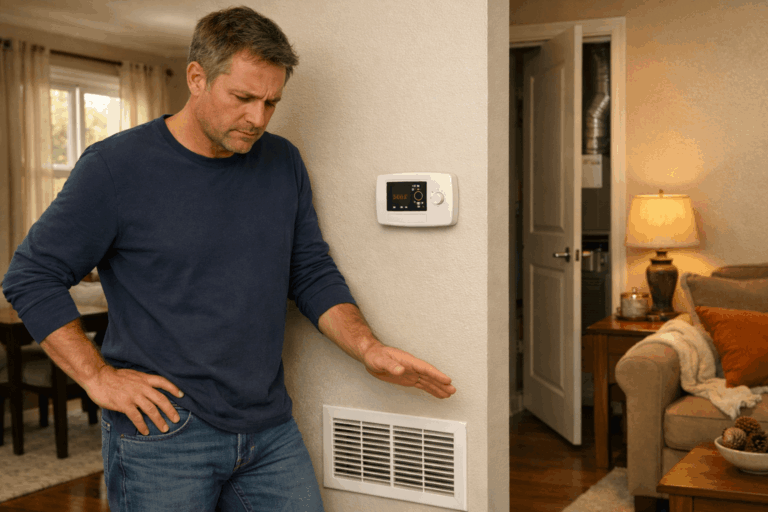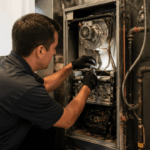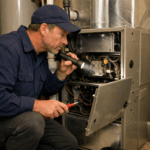
• A furnace blowing cold air can be caused by simple issues like the wrong thermostat setting, a dirty filter, or blocked vents.
• Early troubleshooting can help you spot whether the problem is something you can fix yourself or a sign that the furnace needs professional service.
• Knowing what to check first can save time, protect comfort, and help prevent a small heating issue from turning into a bigger repair.
Introduction
If your home suddenly feels chilly even though the furnace is running, it can be frustrating and uncomfortable fast. In Anaheim, that matters even more during fall evenings when temperatures can dip and indoor comfort becomes a priority. When a system starts pushing cold air instead of warm air, it usually means something needs attention soon. If you need help with the heating side of your system, our heating services can help you understand what may be going on.
A furnace that blows cold air can point to a simple setting issue or a larger problem inside the unit. The sooner we look into it, the better chance we have of keeping the issue from turning into a full breakdown. Small warning signs often show up before the system stops heating the home at all. Acting early helps protect comfort, energy use, and the life of the equipment.
In many cases, the fix starts with a few basic checks that any homeowner can handle safely. Other times, the problem can involve parts that need expert repair or replacement. Knowing what to look for can save time and reduce stress when the air from the vents does not feel right. That is why it helps to understand why is my furnace blowing cold air before the weather cools down even more.
What Causes Cold Air
Several common issues can cause a furnace to move cool air through the vents. The thermostat may be set wrong, the air filter may be clogged, or the burners may not be working as they should. In some homes, the fan keeps running after the burners shut off, which makes the air feel cold even when the furnace has already stopped heating. Problems with airflow or ductwork can also make the system seem weaker than it really is.
A furnace also needs clean parts and steady airflow to work the way it should. If the filter blocks too much air, the system can overheat and shut down before it warms the house properly. Some older systems may also struggle when parts wear down or when the ignition process fails to start the heating cycle. For issues tied to airflow or ducts, our ductwork services can help identify trouble spots that affect comfort.
How to Fix Cold Furnace Air
🔍 Step 1: Check the Thermostat Setting
Make sure the thermostat is set to Heat and not Fan Only or Cool. If the fan is set to On, it may keep moving air even when the furnace is not heating.
🧼 Step 2: Replace the Air Filter
Look at the filter and replace it if it is dirty or clogged. A blocked filter can limit airflow and cause the system to shut down before it heats properly.
⚡ Step 3: Confirm the Furnace Has Power
Check the breaker and make sure the furnace switch is on. If the system has no power, it cannot start the heating cycle or keep the blower working correctly.
🔄 Step 4: Wait for the Heating Cycle
Some furnaces need a short delay before warm air starts coming through the vents. The blower may run first, and the air can feel cool until the burners fully ignite and the heat exchanger warms up.
🛠️ Step 5: Inspect the Burner Flame
If it is safe to look, check whether the burners light normally when the furnace starts. A furnace that tries to run but does not light can send cool air into the house instead of heat.
🌬️ Step 6: Check the Vents and Registers
Make sure supply vents are open and not blocked by furniture, rugs, or curtains. Restricted airflow can make the furnace seem like it is not heating well, even when the system is working.
📋 Step 7: Listen for Unusual Sounds
Pay attention to rattling, clicking, or repeated starting and stopping. These sounds can signal ignition trouble, airflow problems, or a part that needs repair.
👨🔧 Step 8: Call for Professional Service If Needed
If the furnace still blows cold air after basic checks, it is time for a trained technician to inspect it. Internal parts, gas components, and safety controls should only be handled by someone qualified.
Common Mistakes to Avoid
Many homeowners try to fix furnace trouble quickly and end up missing the real cause. Small oversights can lead to more discomfort and sometimes larger repair needs. The mistakes below are the ones we see most often when people try to solve this problem on their own.
– ⚠️ Mistake 1: Leaving the Thermostat on the Wrong Mode
This happens when the system is set to Fan Only or Cool by accident, which makes the vents push air that feels cold. It is easy to overlook because the fan still runs, so the furnace seems active. Always check the mode before assuming the system has failed.
– ❌ Mistake 2: Forgetting to Replace a Dirty Filter
A clogged filter can restrict airflow and make the furnace work harder than it should. Many people miss this step because the filter is out of sight and easy to forget. Checking it monthly during heavy use helps prevent this issue.
– 🚫 Mistake 3: Ignoring the Delay in Start-Up
Some homeowners think cold air means the furnace is broken when it is only in the early part of its cycle. The blower may come on before the burners fully heat the air, which can feel misleading. Waiting a short time before calling for help can save unnecessary worry.
– ⚠️ Mistake 4: Blocking Air Vents Around the House
Furniture, rugs, and closed registers can reduce airflow and make the home feel colder than it should. This usually happens because people are trying to adjust comfort in one room without realizing it affects the whole system. Keeping vents clear helps the furnace deliver heat more evenly.
– 🚨 Mistake 5: Trying to Repair Internal Parts Without Training
Some problems involve burners, gas flow, or electrical parts that should not be handled casually. This mistake usually happens when homeowners want a fast fix and do not realize the safety risk. If the basic checks do not solve it, the safest move is to bring in a qualified technician.
Frequently Asked Questions
Why is my furnace blowing cold air?
Yes, a furnace can blow cold air for several common reasons. The thermostat may be set incorrectly, the filter may be clogged, or the burners may not be starting as they should. In some cases, the blower runs before the heat is ready, which makes the air feel cold for a short time.
Can a dirty air filter cause my furnace to blow cold air?
Yes, a dirty air filter can cause this problem. When airflow is blocked, the furnace may overheat and shut down the heating cycle as a safety measure. Replacing the filter is one of the first things we recommend checking.
Why does cold air come out before warm air from the vents?
Yes, this can be normal for a short period. The blower may start before the furnace finishes heating the air, so the first air you feel can seem cool. If the furnace keeps blowing cold air for too long, there is likely another issue that needs attention.
Should I reset my furnace if it is blowing cold air?
Yes, a reset can help in some cases if the system has tripped or lost its normal cycle. Still, if the problem comes back right away, the furnace may have a part failure or airflow issue. Repeated resets are not a real fix and should not be used over and over.
When should I call a professional for furnace trouble?
Yes, you should call a professional if basic checks do not solve the problem. If the furnace makes strange noises, will not light, or continues to blow cold air, the issue may involve a part that needs expert repair. A trained technician can test the system safely and find the root cause.
Final Thoughts
A furnace that blows cold air is more than a small annoyance, especially when cooler fall weather settles in around Anaheim. By checking the thermostat, filter, vents, and startup cycle, we can often narrow down the problem quickly. If those steps do not fix it, the issue may be inside the system and ready for expert attention.
The key is to act early before a small heating issue turns into a bigger repair. Careful troubleshooting helps protect comfort, safety, and system performance through the season. For more updates and helpful home comfort content, follow us on social media.