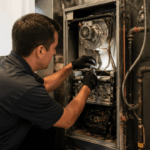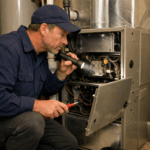
• Ductwork inspections can help catch airflow, dust, and seal problems before they affect comfort or raise energy costs. Knowing how often should ductwork be inspected can help homeowners stay ahead of hidden issues.
• Seasonal changes in Tustin can put extra strain on HVAC systems, making fall a smart time to check ductwork for leaks, weak spots, and buildup. A timely inspection can support better indoor comfort and air quality.
• Regular duct checks help keep rooms more even, reduce wasted energy, and protect the performance of the whole HVAC system. Simple warning signs like dust near vents, weak airflow, and rising bills should not be ignored.
Why Ductwork Checks Matter in Tustin
When the weather shifts in Tustin, your ductwork has to keep up with the demands of your home. Small issues inside the system can quietly affect comfort, air flow, and energy use before you notice a bigger problem. That is why knowing how often should ductwork be inspected can save time, money, and stress later.
Dirty ducts, loose seals, and hidden wear can all build up over time. If left alone, these issues can make your system work harder and may also affect the air your family breathes. We help homeowners stay ahead of these problems by keeping an eye on ductwork before minor concerns turn into expensive repairs.
In fall, people often start using their HVAC system more often as temperatures change. That extra use can expose weak spots that were easy to miss during the warmer months. A timely inspection can help keep your home more comfortable as the season settles in.
A well-timed check also supports better system performance during the months when you rely on indoor comfort the most. Even if your unit seems to be running fine, hidden duct issues can still affect how evenly air moves through your home. Taking care of ductwork now helps reduce surprises later.
What We Look For During an Inspection
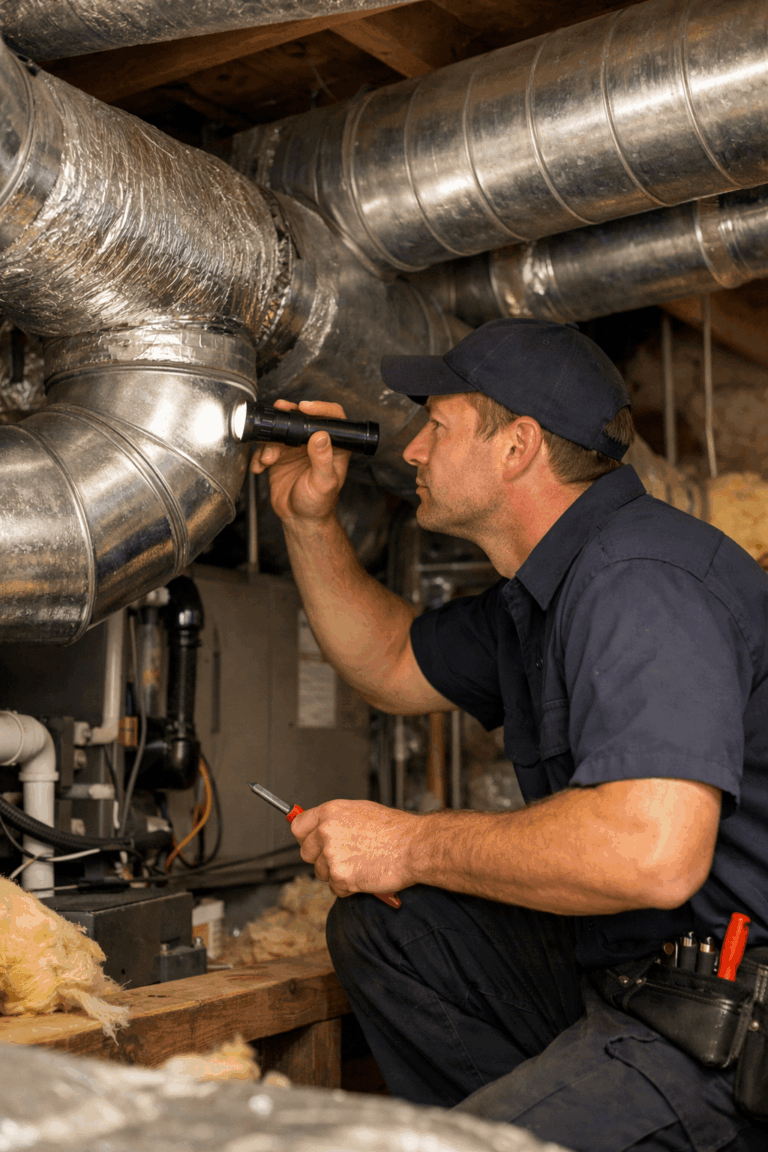
During an inspection, we focus on signs that the ducts may be leaking, clogged, or damaged. We also look at connections, insulation, and airflow to make sure the system is moving air the way it should. These details matter because a small gap or blockage can change how your whole system performs.
We also check for dust buildup, weak spots, and areas where air may be escaping into walls, ceilings, or attics. In many homes, these problems develop slowly, so they are easy to overlook until comfort starts to drop. If your home has uneven temperatures, strange noises, or rising utility bills, the ducts may be part of the reason.
Tips from the Pros
🔎 Tip 1: Watch for Uneven Room Temperatures
If some rooms feel much warmer or cooler than others, your ductwork may need attention. Uneven airflow is often one of the first signs that ducts are leaking, blocked, or not moving air properly.
🌬️ Tip 2: Pay Attention to Weak Airflow
Weak air coming from vents can point to buildup or damage in the ducts. When airflow drops, your system may need to work longer to keep your home comfortable.
📅 Tip 3: Schedule Checks Before Heavy Use
It is smart to have ductwork looked at before your HVAC system gets more use during seasonal changes. How often should ductwork be inspected depends on your home, but regular checks help catch problems early.
🧰 Tip 4: Look for Dust Around Vents
Dust collecting quickly near vents can be a sign that your ducts are pulling in debris or have leaks. Clean vents may look fine on the surface while hidden duct issues keep spreading dust through the home.
🏠 Tip 5: Check for Hot or Cold Spots
Hot or cold spots in different parts of the house can mean air is not traveling evenly. This is often tied to duct problems that limit how well your HVAC system reaches each room.
🔧 Tip 6: Listen for New Sounds
Rattling, whistling, or banging noises may point to loose parts or airflow trouble inside the duct system. Sounds that were not there before should always be taken seriously.
💨 Tip 7: Notice Rising Energy Bills
If your bills go up but your habits have not changed, the ductwork may be wasting air. Leaks and blockages can make your system run longer just to keep up.
🛡️ Tip 8: Keep Up With Routine Maintenance
Regular HVAC care makes it easier to spot duct issues before they grow. A simple inspection can help protect comfort, indoor air quality, and system performance over time.
Frequently Asked Questions
How often should ductwork be inspected?
Ductwork should usually be inspected every 3 to 5 years, though some homes may need checks sooner. If you notice poor airflow, dust buildup, or uneven temperatures, an inspection may be needed sooner than that.
What are signs my ducts need attention?
Yes, there are clear warning signs when ducts need attention. Common signs include weak airflow, higher energy bills, dust around vents, and rooms that never feel comfortable.
Can duct problems affect indoor air quality?
Yes, duct problems can affect indoor air quality. Leaks, dust buildup, and poor sealing can let unwanted particles move through the system and spread through the home.
Does fall matter when checking ductwork?
Yes, fall is a good time to check ductwork because HVAC systems often start working more as temperatures change. A seasonal inspection can help catch problems before you rely on the system more often.
Why is how often should ductwork be inspected important for homeowners?
It is important because timing can help prevent small issues from turning into larger repairs. Knowing how often should ductwork be inspected helps homeowners keep comfort steady and avoid wasted energy.
Keeping Your Home Comfortable
Regular duct checks can make a real difference in comfort, air movement, and system performance. When ducts are in good shape, your HVAC system does not have to fight against hidden problems behind the walls.
We believe the best time to handle duct concerns is before they start affecting your home day to day. For more updates and helpful home comfort content, follow us on social media.