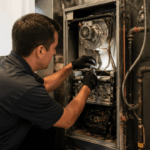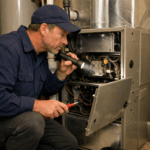
• Furnace installation time depends on the home, the old system, and whether extra updates are needed.
• Most simple replacements can move faster, but ductwork, venting, and fit issues can add time.
• A clear step-by-step process helps homeowners know what to expect and avoid common DIY mistakes.
Why Furnace Timing Matters in Santa Ana
When a cold spell hits Santa Ana, heating problems can turn from a small concern into a real comfort issue fast. If your system is already aging, waiting too long to act can leave your home uncomfortable when you need warmth the most. Many homeowners ask how long does a furnace installation take because they want to plan around work, school, and family routines.
The answer depends on the layout of your home, the condition of the old unit, and whether any parts of the system need extra work. A simple swap may move quickly, while a more involved job can take longer if ductwork, venting, or electrical updates are needed. That is why it helps to understand the process before scheduling service with our team at our heating services.
We know timing matters because no one wants to spend a chilly evening wondering when heat will be restored. Clear expectations help you prepare your home, your schedule, and your family for the day of service. With the right plan, the work can move smoothly and keep stress low from start to finish.
What Affects Furnace Installation Time
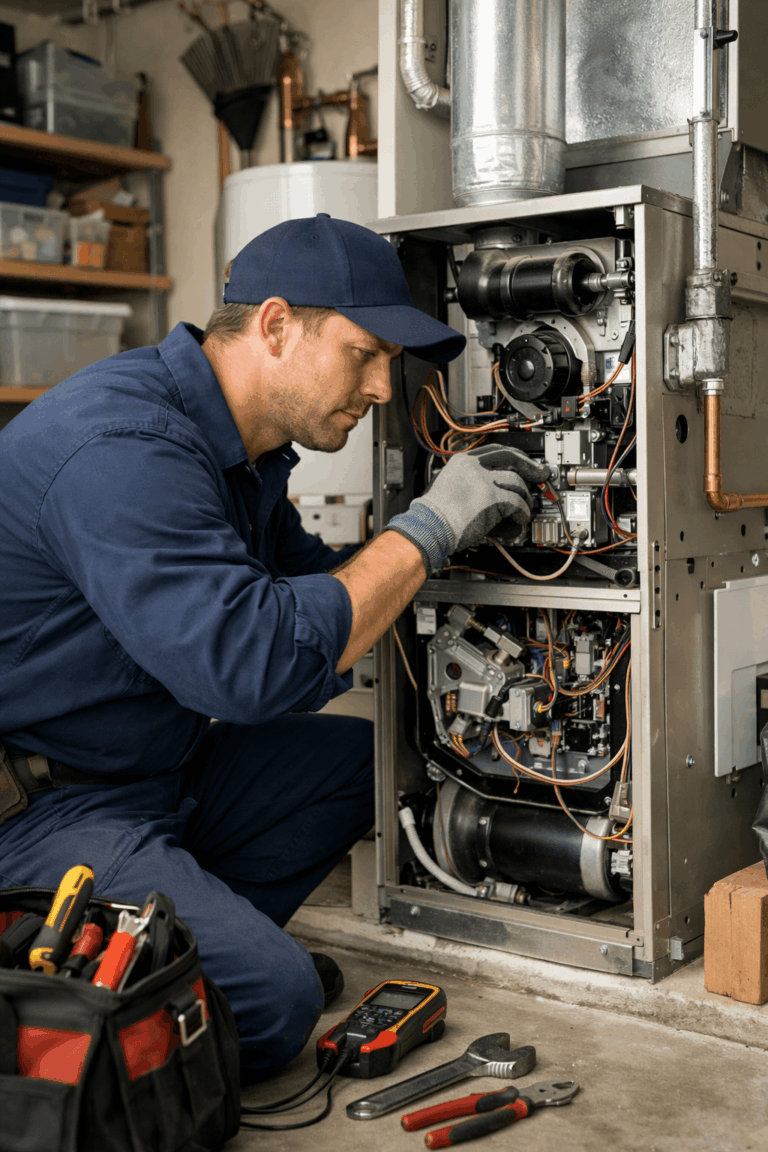
Several things can change how long the job takes, even when the furnace model is already selected. Access to the equipment area, the condition of the existing setup, and the need to adjust connections can all add time. In many homes, the old furnace must be removed carefully before the new one can be set in place.
The size of the unit also matters because the new system must match the home’s needs and fit properly. If the project includes checking airflow, seals, or safety controls, that adds important steps that should not be rushed. That is why how long does a furnace installation take does not have one fixed answer for every home.
Step-by-Step Guide
📋 Step 1: Review the Current Heating Setup
Start by looking at the condition and location of the existing furnace. This helps you understand whether the replacement is a direct swap or a more involved project.
🔍 Step 2: Check for Access Issues
Make sure the work area is open and easy to reach. Tight spaces, blocked paths, or stored items near the unit can slow the job down.
🧰 Step 3: Shut Off Power and Fuel
Before any installation begins, the old system must be made safe to handle. This step protects the home and allows the removal process to start correctly.
🪛 Step 4: Remove the Old Furnace
The old unit is taken out so the new one can be installed in its place. Careful removal matters because surrounding parts and connections may still need to be preserved or inspected.
📏 Step 5: Confirm Size and Fit
The replacement furnace must match the home and the available space. A proper fit helps the system run as intended and avoids delays during setup.
🔗 Step 6: Connect the New Unit
Next, the furnace is connected to the needed lines, wiring, and ventilation parts. These connections must be handled with care so the system can operate safely.
🌬️ Step 7: Check Airflow and Ductwork
Airflow matters because a furnace can only work well if the air moves through the system the right way. If the ducts need attention, that can affect how long the full job takes.
✅ Step 8: Test the System
The final step is running the furnace and checking that it starts, heats, and shuts down properly. Testing helps confirm that the installation is complete and the system is ready for use.
Common Mistakes to Avoid
Many DIY attempts run into trouble because the process looks simpler than it really is. A furnace installation involves safety steps, fit checks, and system testing that all matter for reliable heat. When people rush or skip details, the job often takes longer and can create avoidable problems.
The mistakes below usually happen when someone tries to save time or money without fully understanding the work. Knowing these issues ahead of time can help you avoid delays, added costs, and safety concerns. Each one ties back to the steps in the guide above.
- ⚠️ Mistake 1: Ignoring the Existing Setup
This happens when someone starts removal without checking the current furnace area first. It usually leads to surprises like tight access, hidden damage, or mismatched connections. The best way to prevent it is to inspect the full setup before any work begins. - ❌ Mistake 2: Skipping Safety Shutoffs
Some people rush past the power and fuel shutoff step because they want to move faster. That can create serious safety risks during removal and installation. Always make sure the system is fully shut down before any part is touched. - 🚫 Mistake 3: Buying the Wrong Size Furnace
This mistake happens when the new unit is chosen without checking the home’s needs and space. A poor fit can lead to delays, extra adjustments, and weak heating performance. Prevent it by confirming the right size before the installation day. - ⚠️ Mistake 4: Overlooking Airflow and Duct Issues
Homeowners often focus only on the furnace and forget the rest of the heating system. If airflow is blocked or the ducts need work, the new unit may not perform as expected. Checking these parts early helps avoid problems after the furnace is in place. - ❌ Mistake 5: Not Testing the Finished System
This happens when the job is treated as done as soon as the unit is installed. Without a full test, small issues with startup, heat delivery, or shutdown can go unnoticed. A complete test is the best way to confirm the system is ready for regular use.
Frequently Asked Questions
How long does a furnace installation take in most homes?
Yes, most furnace installations can be completed in a single day when the setup is straightforward. The time can be longer if the old system is hard to remove or if extra adjustments are needed. If you are asking how long does a furnace installation take, the best answer is that simple jobs are often faster than projects with added repairs.
What can make a furnace installation take longer?
Yes, several things can add time, including tight access, duct issues, wiring changes, or venting adjustments. The condition of the old furnace also matters because removal may take longer if parts are damaged or stuck. These details can turn a basic replacement into a longer project.
Can I stay home during the furnace installation?
Yes, most homeowners can stay home while the work is being done. The area around the furnace should be kept clear so the crew can move safely and finish the job efficiently. It is also smart to plan for some noise and temporary discomfort during the process.
Do I need to prepare my home before installation day?
Yes, a little preparation helps the work move faster. Clear the area around the furnace, make sure pets are secured, and keep paths open for easy access. These simple steps reduce delays and help the installation stay on schedule.
How do I know if my furnace installation was done right?
Yes, a properly installed furnace should start correctly, heat evenly, and shut down the way it should. The system should also be checked for safe operation and steady airflow. If anything seems off, it should be reviewed right away before regular use continues.
Final Thoughts on Furnace Installation Timing
Knowing what affects furnace installation time helps you plan with confidence and avoid last-minute stress. When the old unit, the new system, and the home’s layout all line up well, the work can move more smoothly and stay on track. That is why planning ahead matters just as much as choosing the right equipment.
If you are getting ready for a replacement in Santa Ana, the safest move is to treat the process as a careful, step-by-step job. A well-done installation supports comfort, safety, and reliable heat when cooler weather arrives. To keep up with our latest updates, follow us on social media.