• Indoor air quality affects how your home feels, smells, and supports daily comfort, especially when you spend more time indoors with the windows closed.
• Common indoor air problems often come from dust, poor airflow, moisture, and dirty filters, but simple checks can help you spot the warning signs early.
• A few steady habits, like cleaning key areas, replacing filters, and watching for moisture, can help keep indoor air cleaner and make your home feel fresher.
What Is Indoor Air Quality and Why It Matters
October in Santa Ana can bring cooler mornings, warmer afternoons, and more time spent indoors with the windows closed. That shift can trap dust, pollen, and other particles inside the home, which may make the air feel stale fast. When people start noticing more sneezing, dry throats, or musty rooms, it is often a sign that the air inside needs attention. That is why we believe it helps to look at what is indoor air quality and why it matters before small issues turn into bigger comfort problems.
Indoor air can affect how a home feels from the moment the day begins. Even when a house looks clean, tiny particles from pets, cooking, cleaning products, and outside air can build up and affect breathing comfort. Homes in Santa Ana may face added strain during seasonal changes because doors and windows stay shut more often. If the air inside is not moving well, the problem can linger longer than many people expect.
We often see that poor indoor air does more than create discomfort. It can make it harder to sleep well, focus during the day, or simply feel at ease in your own space. Families with kids, older adults, or anyone with allergies may notice the effects first. For that reason, we encourage homeowners to pay attention to the warning signs early and take indoor air seriously.
What Affects Indoor Air Quality
Many things can affect the air inside a home, and most of them happen little by little. Dust, pet dander, smoke, moisture, and volatile gases from household products can all change the way indoor air feels and smells. In homes with limited airflow, these pollutants can stay in the air longer and settle into vents, carpets, and furniture. That is why clean air is not just about comfort; it is also about keeping the space healthier day after day.
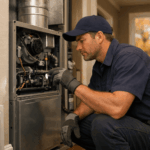
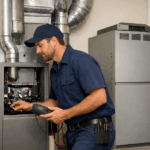
Heating and cooling systems play a big part in how air moves through the home. When filters are dirty or ducts collect debris, the system can keep circulating the same contaminants instead of removing them. We often recommend starting with the parts of the system that move air most often, since they can spread both comfort and problems at the same time. Our air quality services can help support cleaner, steadier airflow throughout the home.
How to Improve Indoor Air Quality
🧾 Step 1: Check the Signs
Start by looking for clues like dust buildup, unusual smells, or rooms that feel stuffy. These signs often point to airflow or contamination problems that should not be ignored.
🧹 Step 2: Clean Dusty Surfaces
Wipe down surfaces, vents, and common gathering areas to reduce particles that move back into the air. Regular cleaning helps lower the amount of dust and debris that can circulate through the home.
🌬️ Step 3: Replace Air Filters
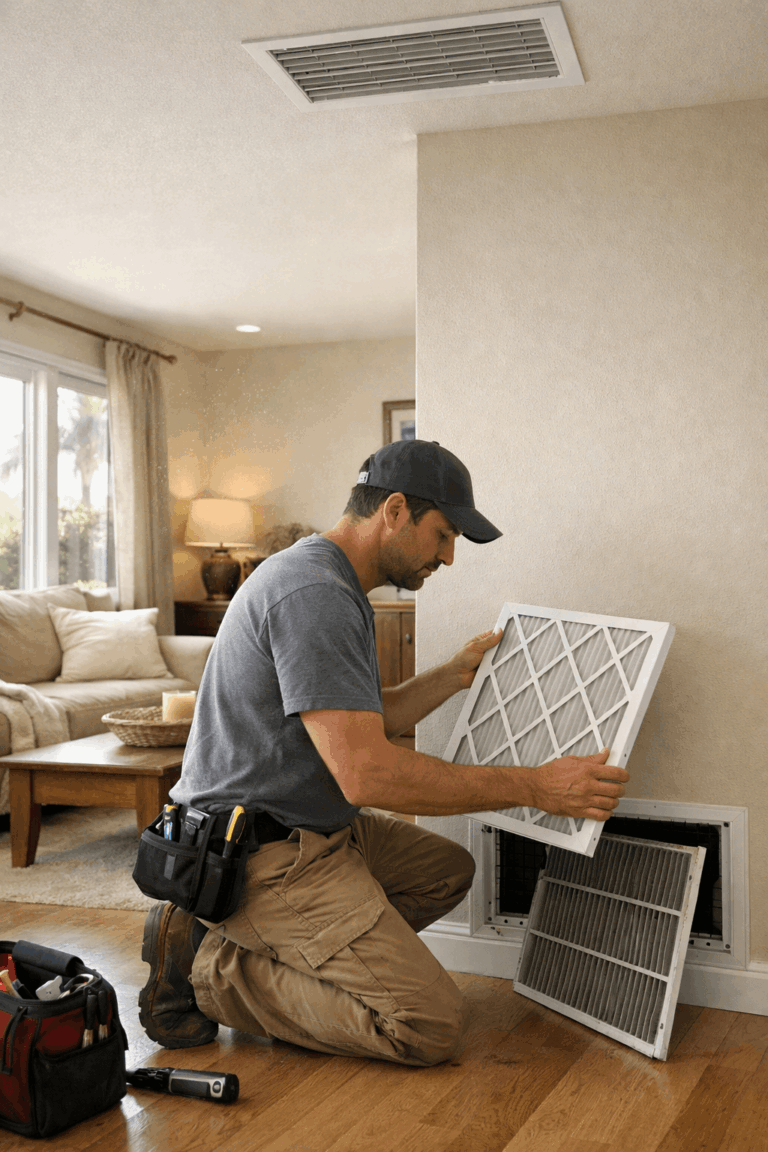
Check HVAC filters and replace them when they are dirty or past their recommended use. Clean filters help trap particles before they spread through the system.
🚪 Step 4: Open Up Airflow
When weather allows, open windows to bring in fresh outdoor air and let stale indoor air move out. This can be especially helpful during mild fall days in Santa Ana.
💧 Step 5: Watch for Moisture
Look for leaks, damp spots, or condensation around windows and vents. Extra moisture can lead to odor, mold growth, and air that feels heavy or musty.
🛠️ Step 6: Inspect Ductwork
Check for dust buildup, loose connections, or signs of damage in the duct system. Clean, sealed ducts help move air more evenly and reduce the spread of unwanted particles.
📅 Step 7: Schedule Routine HVAC Care
Set a regular plan for system care so filters, vents, and other parts stay in good shape. Routine service helps keep airflow steady and supports better indoor comfort over time.
🏠 Step 8: Pay Attention to Comfort Changes
Notice if certain rooms feel worse than others or if breathing feels less comfortable indoors. These changes can help point to the source of the air problem before it grows larger.
Mistakes Homeowners Often Make
Many DIY fixes seem simple at first, but indoor air problems often hide in plain sight. People usually focus on what they can see while missing the parts of the home that move and filter air. The best way to avoid frustration is to look at both the obvious signs and the hidden causes.
⚠️ Mistake 1: Ignoring Early Warning Signs
This happens when homeowners dismiss dust, smells, or stuffy rooms as small annoyances. It often happens because the symptoms seem minor at first, but they can point to larger air problems. The best prevention is to act as soon as the signs show up.
❌ Mistake 2: Forgetting to Change Filters
Dirty filters are one of the most common reasons air quality gets worse. People forget because filters are out of sight, so the problem builds quietly over time. Set a regular reminder and check filters often to keep air moving properly.
🚫 Mistake 3: Overlooking Hidden Moisture
Moisture behind walls, under sinks, or near vents can lead to air quality issues without much warning. This happens because small leaks are easy to miss until odors or damage appear. Look for damp spots early and fix the source quickly.
⚠️ Mistake 4: Cleaning Only Visible Areas
Some homeowners clean floors and counters but skip vents, registers, and ducts. That leaves particles in places where air still moves through the home. To prevent this, clean the areas that directly affect airflow, not just the spaces you see every day.
❌ Mistake 5: Assuming One Fix Solves Everything
Indoor air problems usually come from more than one cause, such as dust, airflow, and moisture working together. People make this mistake because they want a fast answer and stop too soon. The better approach is to check the whole home and address each source that affects the air.
Frequently Asked Questions
What is indoor air quality and why it matters?
Yes, indoor air quality is the condition of the air inside your home or building, and it matters because it affects comfort and breathing. Poor indoor air quality can make rooms feel stale and may worsen allergy symptoms or general discomfort.
How do I know if the air in my home is bad?
Yes, common signs include lingering odors, visible dust, stuffy rooms, and more sneezing or coughing indoors. If those issues seem worse in certain rooms, the air may not be moving or filtering properly.
Can HVAC systems affect indoor air quality?
Yes, HVAC systems can improve or hurt indoor air quality depending on how well they are maintained. Dirty filters, clogged vents, and dusty ducts can keep pushing particles through the home instead of removing them.
What is the fastest way to improve indoor air quality?
Yes, the fastest starting point is to replace dirty filters and clean areas that collect dust. Improving airflow by opening windows when weather allows can also help bring in fresher air.
Why does indoor air quality matter more in the fall?
Yes, fall often means more time indoors with windows closed, which can trap dust and other particles inside. In Santa Ana, that can make the air feel heavier and less fresh as the season changes.
Final Thoughts on Cleaner Indoor Air
Indoor air quality plays a bigger role in daily comfort than many homeowners realize, especially when the seasons change and homes stay closed up more often. Simple steps like checking filters, reducing dust, and watching for moisture can make a real difference in how your home feels. When the air inside is cleaner, the whole space tends to feel more comfortable and easier to live in.
We believe the best results come from paying attention early and staying consistent with care. If you want to keep learning about home comfort and air quality, you can follow us on social media.